
Latest Blog Posts

Roles and Tools for Collaborative Scientific & Medical Writing
Collaborative Scientific & Medical Writing: Roles and Tools for Effective Teamwork Behind every impactful manuscript lies a team of contributors—each bringing unique...
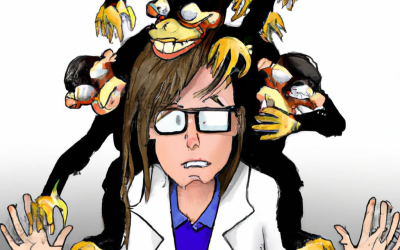
Who’s got the (research) Monkey?
The ‘Monkey’ in this case is ‘responsibility for completing a given task’. In order to have time for their own tasks and to avoid stress and overwork, senior researchers should try as much as they can to keep their subordinates’ “Monkeys” firmly on their subordinates’ shoulders. We have developed a simple recipe that you can teach the scientists you supervise that puts the Monkey (and the opportunity for them to grow as scientists) right back on their shoulder.
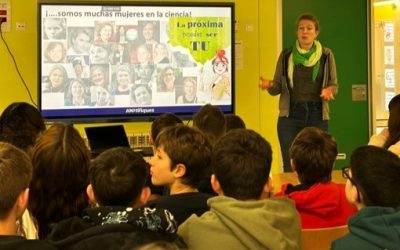
Inspiring the next generation of women in science
Historically, women have faced barriers in doing science. To inspire girls to enter the world of science, it is important to improve its communication to kids in schools. Every year, on the 11 February, for the international day of women and girls in science, let’s do our bit.

Investigators and Workers: There are two types of researcher, but the system only caters for one
The research world is necessarily built around researchers who are driven by questions. But I think most researchers are not driven by the question, but by the enjoyment of simply doing research. In the end, this forces many of us out of the system, and ultimately science loses what it has invested in us.

How to make your ideas easy to follow
A good flow within and between paragraphs can greatly improve the readability of your scientific texts. We share with you some ideas to achieve it!