by Valeria Di Giacomo | 08/10/2026 | Scientific writing
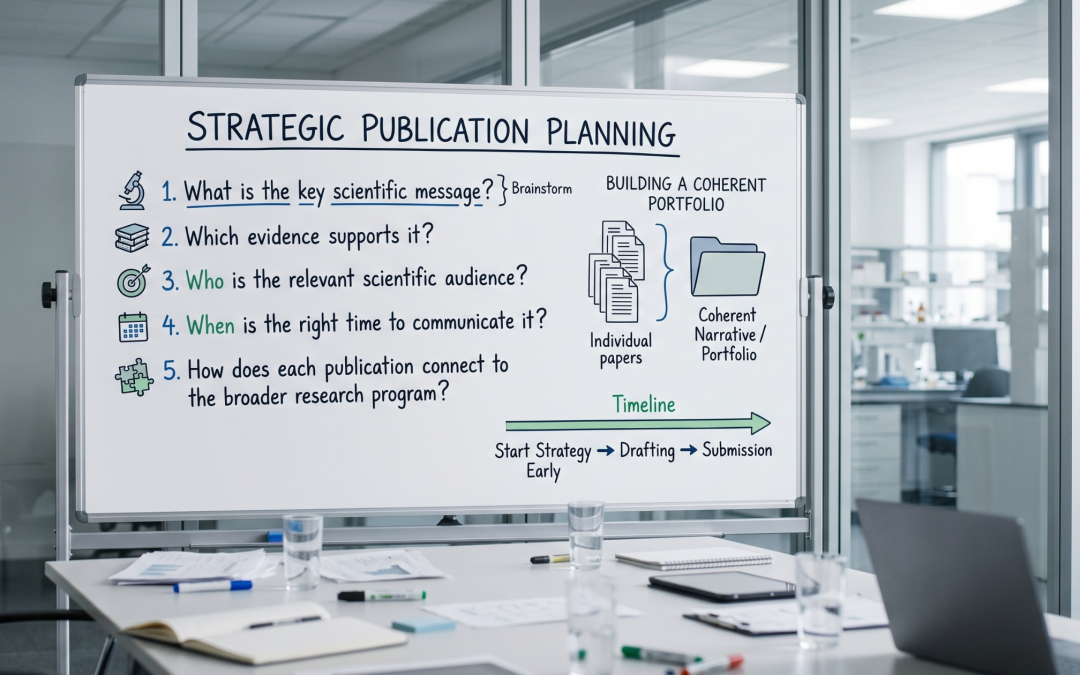
For biotech companies, hospital spin-offs, and emerging life-science organizations, scientific publications are more than the final output of a research project: they are part of the organization’s scientific strategy. A well-designed publication strategy can...
by Valeria Di Giacomo | 15/09/2026 | Scientific writing
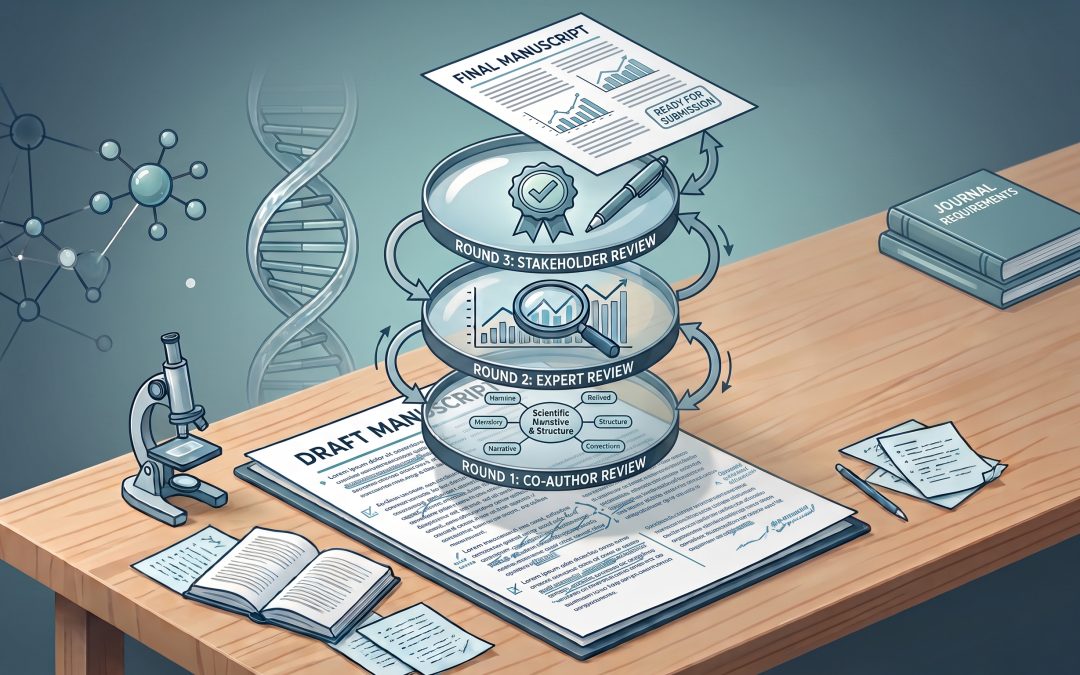
Moving from a linear writing process to a cycle of continuous refinement Writing a scientific article is often treated as a linear process: conduct the research, analyze the data, write the manuscript, review it, and submit it. In practice, however, the...
by Valeria Di Giacomo | 02/07/2026 | Scientific writing
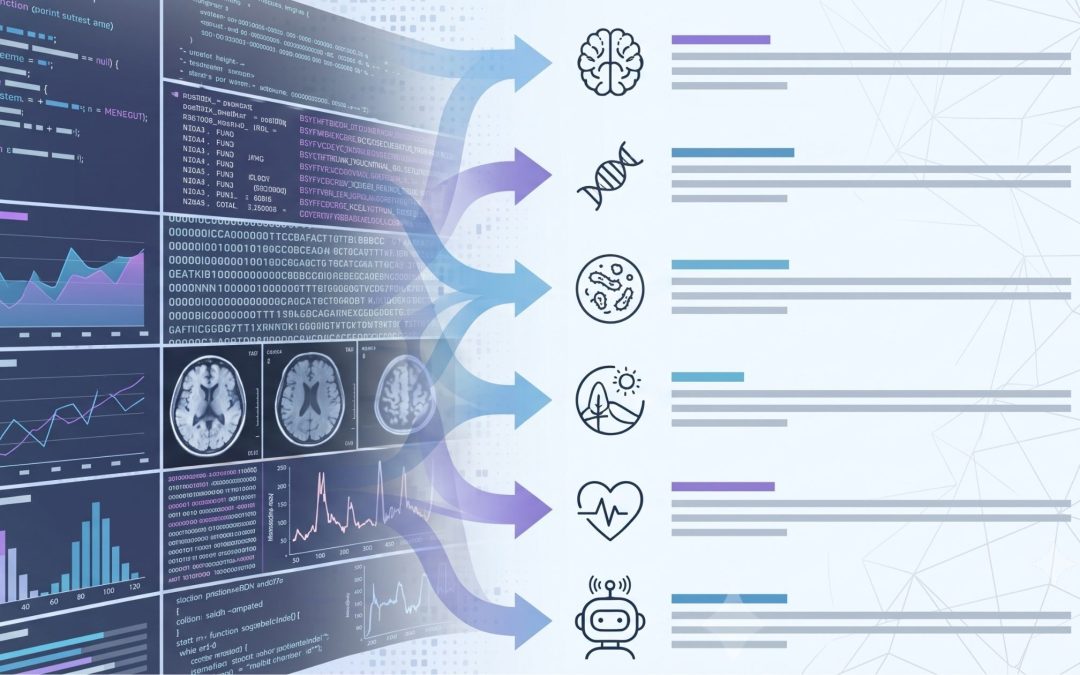
A rapidly evolving scientific landscape Looking at the papers shaping medicine today, it is clear how rapidly the scientific landscape is evolving—and how interconnected it has become. Across journals, conferences, and regulatory submissions, we are witnessing...
by Valeria Di Giacomo | 27/05/2026 | Scientific writing
The discussion around AI-Assisted Regulatory Writing has quickly moved beyond simple questions of efficiency. The real challenge today is not whether AI can generate text, but whether it can support the scientific and regulatory coherence and integrity required across...
by Valeria Di Giacomo | 20/04/2026 | General, Scientific writing
In scientific and medical writing, staying up to date is not just a professional advantage—it is a necessity. Scientific standards become more rigorous; expectations around clarity, transparency, and data integrity continue to increase; and regulatory frameworks...
by Valeria Di Giacomo | 30/03/2026 | Scientific writing
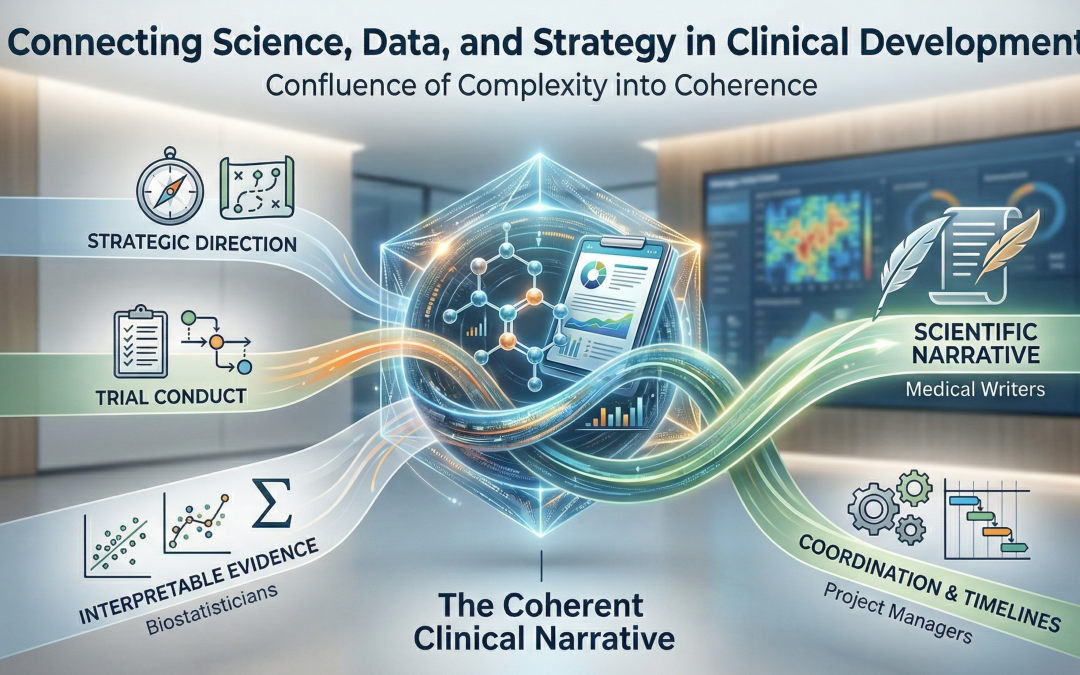
In clinical development, global trials, evolving regulatory expectations, and increasingly sophisticated scientific data place pressure on teams to deliver faster without compromising quality. Success often depends on how effectively diverse expertise—from clinical...
